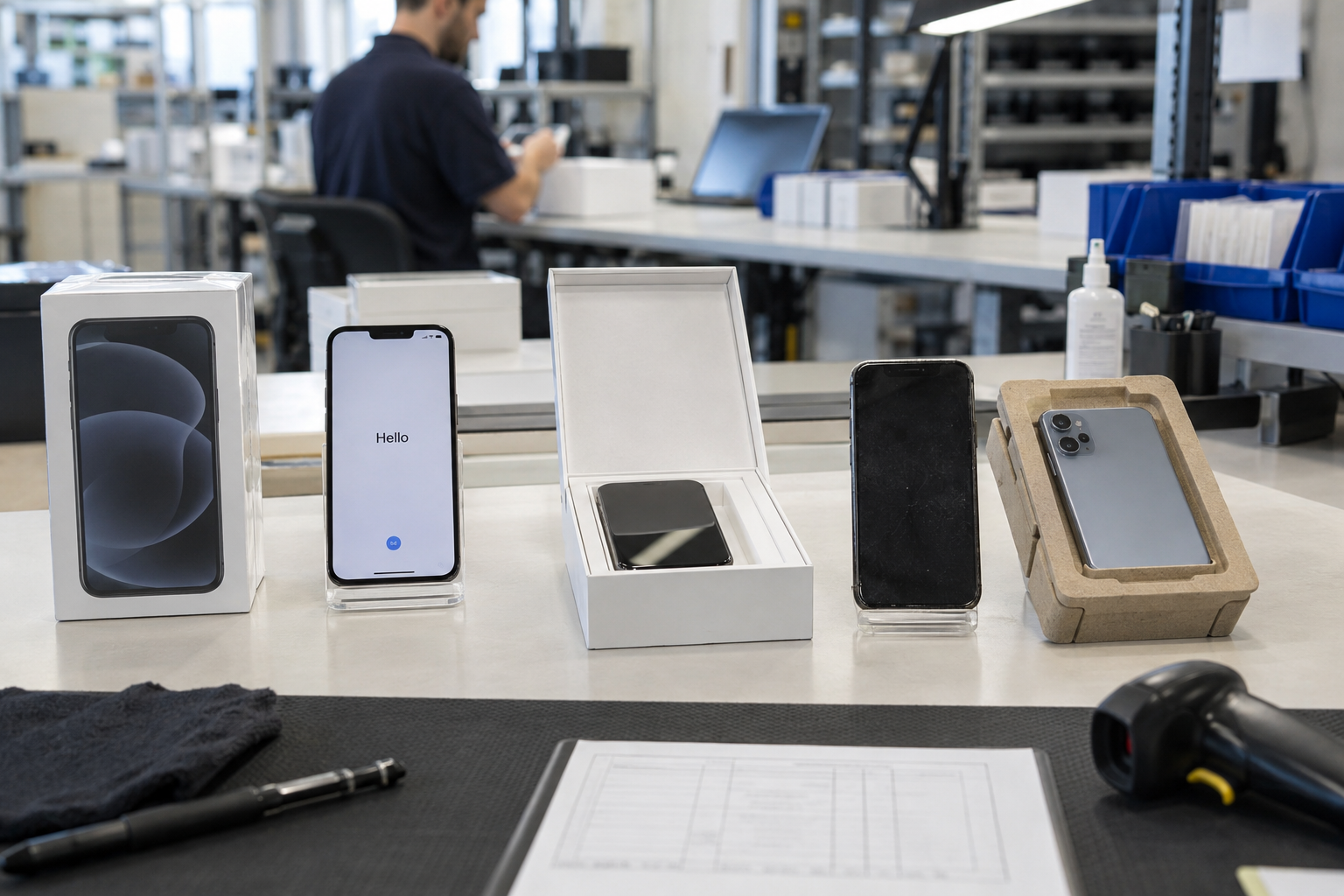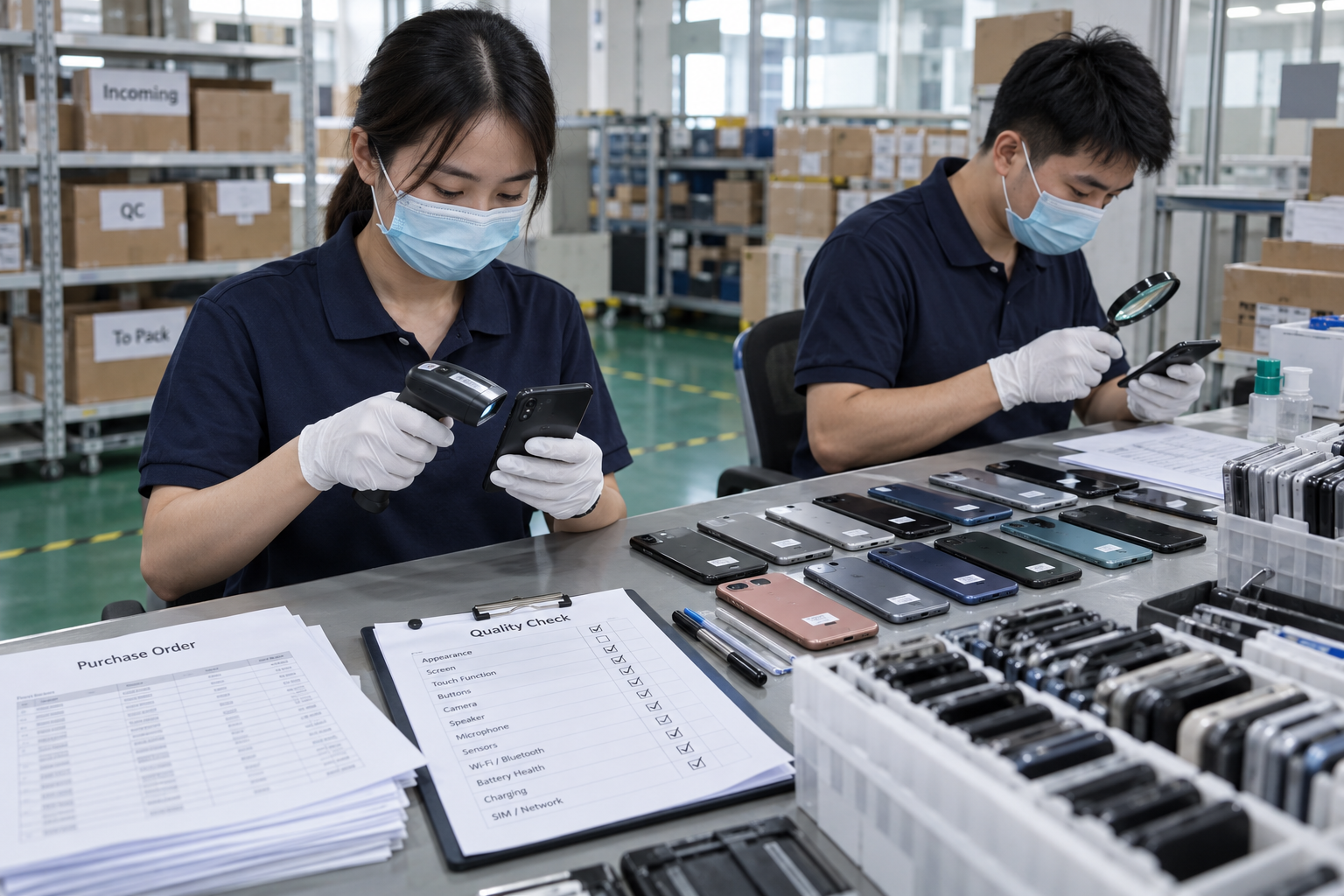
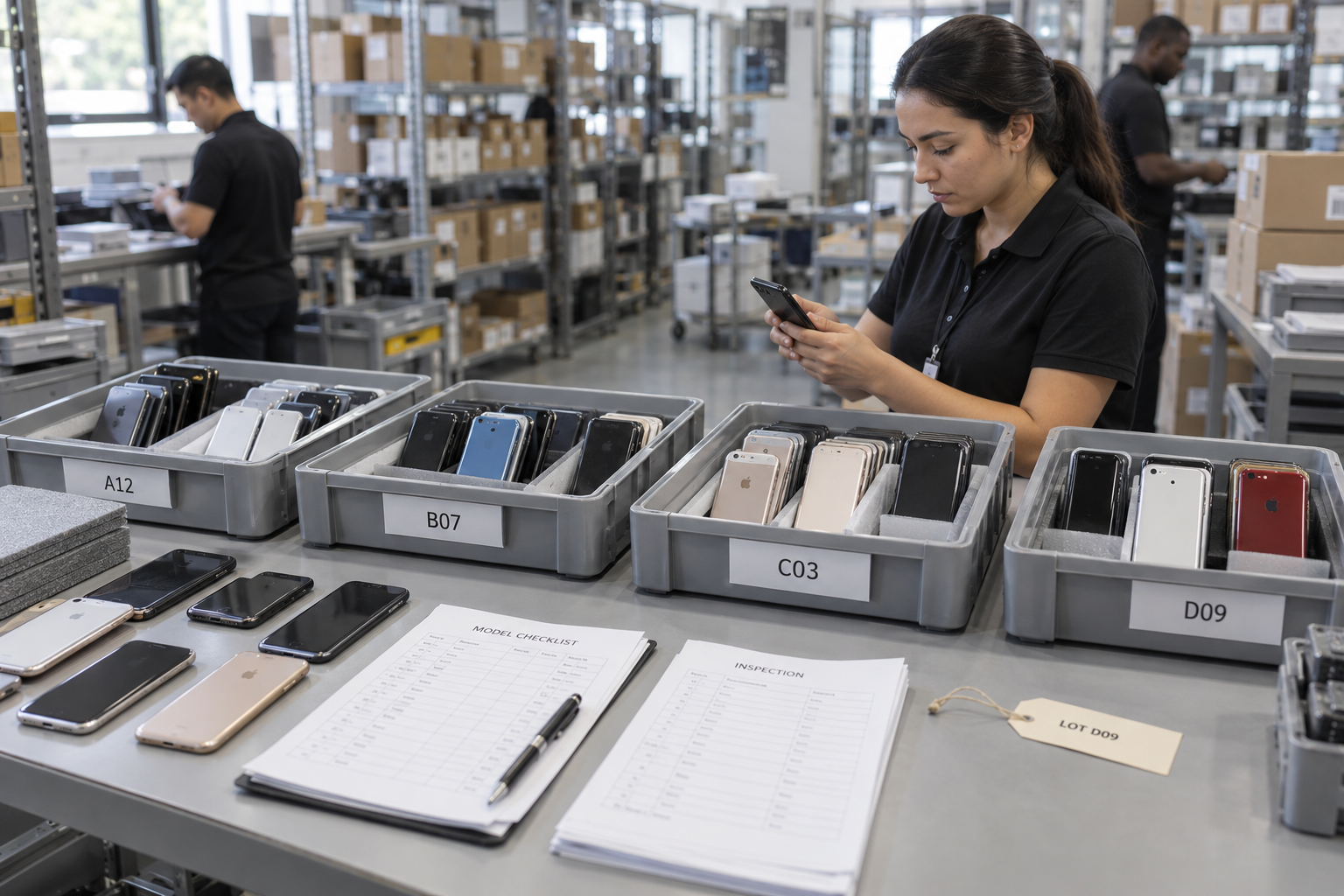

01 · Reasons for demand
Why do buyers still want older phones?
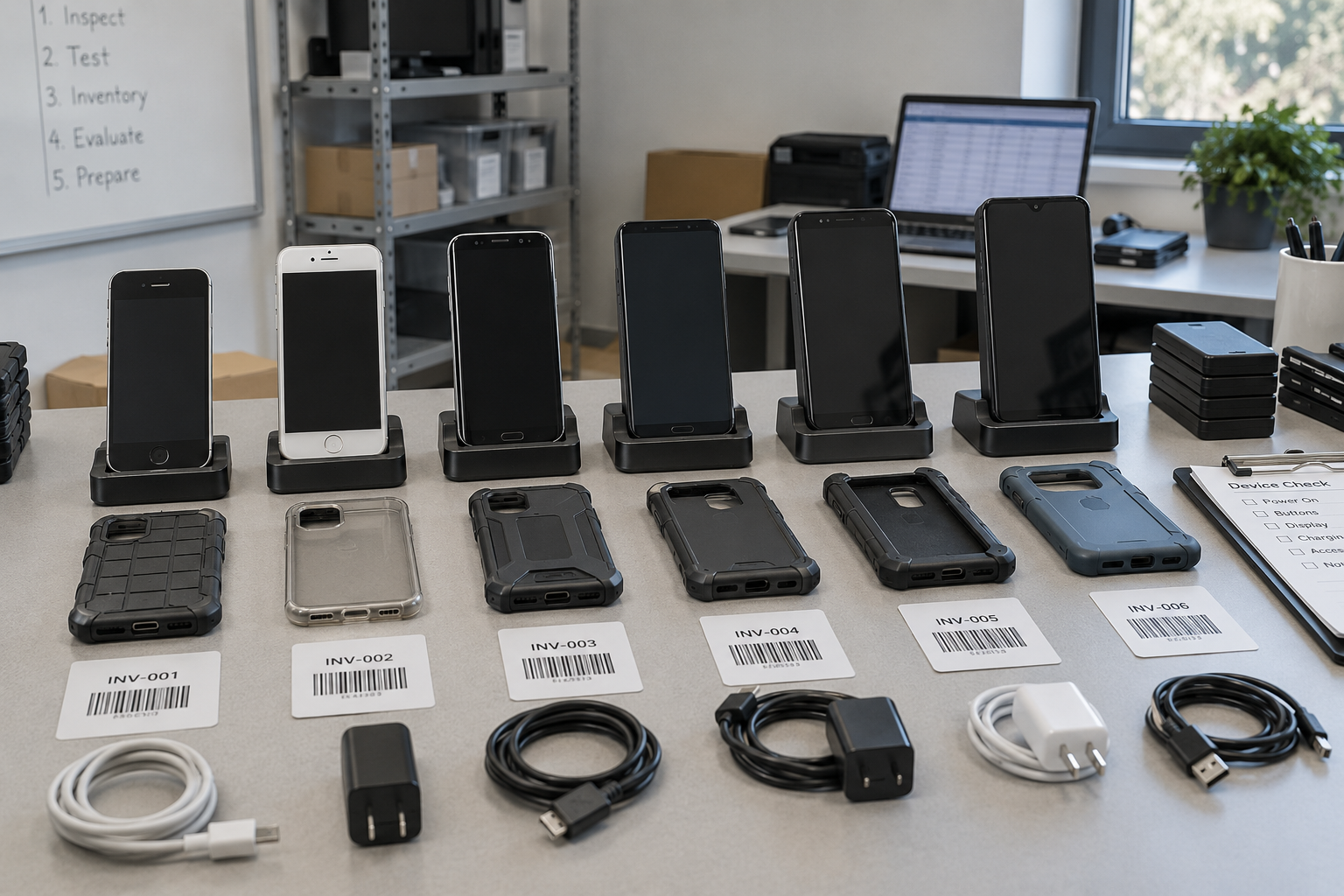
| Buyer needs | Maybe it’s because of the old model | Must verify |
|---|---|---|
| affordable retail | Purchase cost may be lower | Total cost after batteries, repairs and application support |
| Replace existing equipment | User familiarity with operations and accessories | Exact models, management systems and remaining support |
| Standardized corporate fleet | Reduce training and configuration changes | Security updates compatible with enterprise management |
| specific physical characteristics | Dimensions, buttons or interfaces fit existing processes | Can the new replacement machine fulfill the same functions? |
Demand must be verified in the target market and specific usage scenarios and cannot be inferred based on country labels alone. The low purchase price may also be offset by battery replacement, application incompatibility and missing repair parts; sensitive businesses should not continue to use equipment that lacks support just to maintain an older fleet.
02 · Identification
Record the complete product name and manufacturer model code

| identifier | Identify content | Role in RFQ |
|---|---|---|
| Brand/trade name | Market-ready product families | as a familiar name |
| Generations and suffixes | Such as Pro, Plus, Ultra, FE | Exclude other versions of the same series |
| Manufacturer model code | Specific hardware or region variants | Lock the exact device |
| Seller SKU | Seller internal inventory unit | Track this seller’s offer line |
| serial number | Single device identity | Records and after-sales verification |
| IMEI | Cellular Device Identification Number | Supports status and limit checks |
A small suffix may also represent different hardware or regional versions. Both Apple and Samsung provide official device identification methods, and both a familiar name and an accurate code should be included in the RFQ.Apple model identification · Samsung model and serial number description
Use the Apple iPhone and Samsung Galaxy catalogs as identification references; a listing does not establish current stock or suitability.
When only having older devices or photos, cross-confirmation from the setup page, labels, and manufacturer documentation should be requested. Exterior photos are often insufficient; code matches alone cannot prove authenticity, ownership, maintenance history or complete device condition.
03 · Destination suitability
Confirm that the regional version is compatible with the network

- Destination country and target operator/MVNO;
- Accurate regional hardware model;
- Required LTE and 5G bands;
- Carrier access and VoLTE;
- Physical SIM versus eSIM structures;
- Carrier lock status;
- Required software and services.
| Common publicity | Still need to verify |
|---|---|
| ”Unlocked” | Bands, VoLTE, activation and device restrictions |
| ”4G mobile phone” | Specific frequency bands and voice implementations for target networks |
| ”Global Edition” | Exact model code and official specifications |
| “Have used it overseas before” | Current Purpose Carrier Policies and Required Services |
Being able to connect to data does not mean that calls, text messages, and all services are available. Older machines may also rely on network technology that has been closed in the destination market; specific dates should be checked with local operators rather than applying a ”global unified timetable.” T-Mobile’s BYOD guidelines also list unlocking, IMEI checking and network compatibility as separate steps.View carrier instructions
04 · Life cycle
Check software, apps, repair support and battery age

digital support
- Available operating system versions;
- Security update status;
- Required application compatibility;
- Enterprise management compatible.
Entity support
- Compatible with repair parts;
- Official or service provider repair qualifications;
- Battery status and storage age;
- Warranty Provider and Coverage.
End of production and discontinuation of software support are two different things. Apple has its own clear service classification for ”retro” and ”discontinued” products, this is only that manufacturer’s policy and cannot be generalized as a rule for all brands.View Apple service categories
Old stock that has never been used may also suffer from battery degradation from long-term storage. Replacing the battery does not fix missing bands, operator denial of activation, or discontinued app support. The final go/no-go question is:Can this accurate piece of equipment complete the buyer’s tasks within the required purchase and use cycle?
05 · Supply channels
Understand where remaining inventory and secondary market sources come from
| channel | Possible inventory types | Evidence required |
|---|---|---|
| Distributors and Wholesalers | remaining stock, activated or mixed batch | Legal subject, batch, quantity and location |
| Retail Clearance/Returns | Not sold, opened, returned | Activation, return reasons and status definitions |
| Carrier resale | Return, exchange or clear inventory | Locked, funded and released status |
| Trade-in aggregation | Different grades of second-hand equipment | Source, detection and restriction records |
| Renovation business | Equipment to repair or replace parts | Repair Disclosure, Parts & Warranty |
| Corporate asset disposal | retired fleet | Manage release, data processing and ownership |
| Brokerage/Purchasing Agent | Coordinate third-party inventory | Actual seller, inventory holder and batch association |
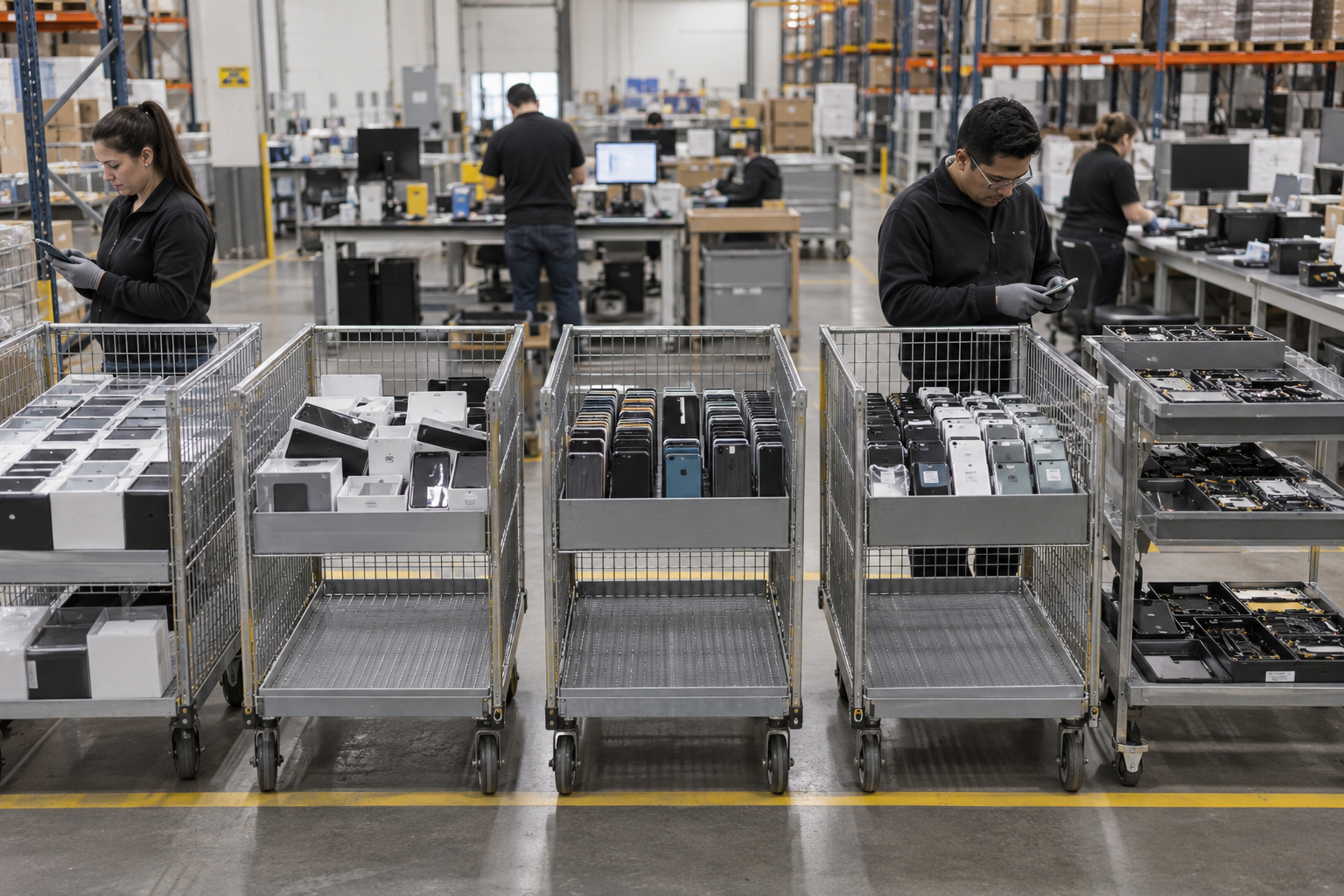
These sources are only possible sources and are not a guarantee of availability or legality. Unused remaining stock, activated, open box, used, refurbished, and parts only devices may appear under the same trade name; they are not interchangeable. The agent may also just coordinate the supply and not own the inventory.
06 · Real-time quotation request
Prepare searchable RFQs and individually confirm live inventory

- Complete model and manufacturer code;
- Region, storage and RAM;
- Color, quantity and condition;
- Rating and battery standards;
- Packaging and accessories;
- destinations and operators;
- Request time and approve alternatives.
stock reply
- Current confirmed available quantity;
- Quantity still to be confirmed;
- Uncertain expected replenishment;
- Evidence corresponding to the quotation batch.
business boundaries
- Quotation validity period;
- Inventory reservation conditions;
- Stocking date;
- Check access arrangements.
Old web listings are not live inventory confirmations. Multiple brokers advertising similar equipment may also refer to the same shipment; batch numbers and inventory holders should be asked to avoid double counting.
07 · Small batch integration
Merge multiple models without losing SKU control

line by line control
- Separate order lines for each SKU;
- Supplier and variant minimum quantities;
- consistent status standards;
- Arrival inspection and carton marking;
- Shortage handling rules.
integrated decision-making
- Integration service fee;
- Cutoff and shipping dates;
- Whether partial shipments are allowed;
- Should you wait for a complete order or be ready to ship first?
- Each batch is tracked independently.
Consolidating orders may improve administrative convenience but does not guarantee lower shipping costs or lower total costs. Missing rows may not be silently replaced with other models to round up the total.
08 · Alternative Rules
Establish written approval matrix for color and storage

| request | Preferences | acceptable alternatives | Approval required |
|---|---|---|---|
| Color | Specify color | Other colors listed | Required when not listed previously |
| Storage Capacity | Specify storage | Higher capacity and price listed separately | Always confirm |
| Quantity | target quantity | Number of portions allowed | According to split order rules |
| Condition | agreed status | Other statuses for separate quotes | always needed |
| Regional Version | Target hardware version | Verified version | always needed |
| Other models | Exact model | Re-pass suitability check | always needed |
Other colors may increase volume, but higher volumes change cost and retail positioning; lower volumes should never be accepted by default. Compatibility may vary by region, and used items are not substitutes for brand new automatics.
”Please quote substitutions separately. No substitutions of model, region, state or storage capacity may be made without written approval.”
There should be a clear distinction between pre-approval flexibility and case-by-case approval. Buyer is not obligated to accept substitutions simply because the equipment is scarce.
09 · Inspection control
Prevent delivery of wrong model or misrepresented inventory
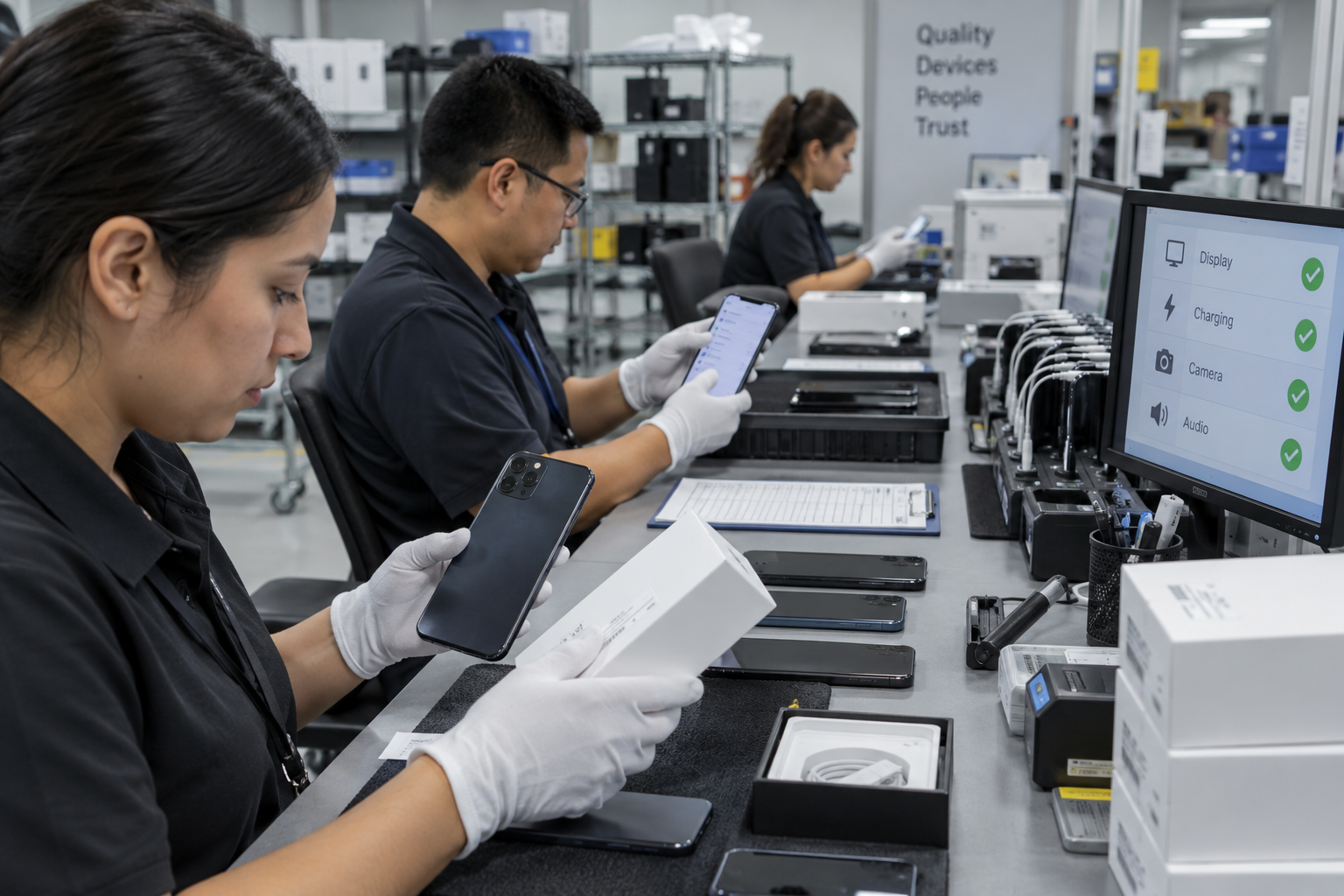
- Match quotes to approved RFQ lines one by one.
- Check the manufacturer model code.
- Confirm region, capacity and color.
- Review status and activation disclosures.
- View equipment and batch evidence.
- Complete the agreed functionality and status checks.
- Document all exceptions before accepting.
- Match qualified equipment to final packing list.
Limitations and Identities
- Account and Activation Limitations;
- Organizational management status;
- carrier lock;
- Available blacklist information;
- Maintenance records.
Hardware features
- battery status;
- display and touch;
- charging;
- Camera & Audio;
- Other agreed tests.
Box and equipment tags are useful but are not a substitute for equipment inspections. For sealed goods, it should be agreed in advance whether and how to open samples; even if a sample is qualified, it cannot prove that each mobile phone has the same identity and status. When identity is uncertain, specifications conflict, or evidence is missing, it should be left ”unresolved” rather than forcing a match.
10 · Business decisions
Confirm trading conditions and know when to change models

- Verified available quantity;
- accurate status and configuration;
- Complete purchase cost;
- Inspection and integration costs;
- warranty provider;
- Returns and discrepancies handling;
- Reservation terms and quotation validity period;
- Lead time and remaining support.
Scarcity does not automatically justify any asking price. Buyer may continue to search for an exact match, accept documented substitutions, split orders, reduce quantities, select newer and compatible models, or reject items that do not fit.
The supplier’s promise to ”continue looking” does not mean that the quotation has been confirmed, nor does it guarantee that another supplier will have the goods. It’s often more controllable to reject incorrect or unsuitable inventory than to receive the wrong equipment in an effort to meet quantity.