
Huawei Firewall Guide
Huawei Firewalls: Features, Models and Selection Guide
Huawei enterprise network firewall is used to implement traffic policies between the intranet, Internet, server area, and other security areas. Depending on the exact model, software and license, it can also provide application identification, threat detection, protection, VPN and security event logging.
Don’t just look at the “next generation” or “AI” labels when choosing a model. What really needs to be checked is protected traffic, detection enabled, encryption ratio, session size, interfaces, licensing, high availability and ongoing support.
For overseas B2B buyers, KRLINKTECH coordinates sourcing in China for Huawei network equipment, including new, used and discontinued USG firewall requests. A useful RFQ identifies the complete appliance or spare-part P/N, required software, quantity, condition and destination. Hardware condition, license rights and support eligibility need separate confirmation. KRLINKTECH is an independent sourcing business; a catalog reference is not a stock statement or proof of Huawei authorization.
Quick Reference
Huawei Firewall Quick Reference
| question | short answer |
|---|---|
| Main function? | Control, inspect, and log traffic by region and policy. |
| What is NGFW? | Add application and content security capabilities beyond stateful filtering. |
| Deployment location? | Internet egress, DMZ, internal border or branch connection. |
| Are all functions included? | No, check model, software, license and subscription. |
| Which performance to look at? | Look at the detection metrics that are closest to the actual enabled functionality. |
| Confirm before purchasing? | Full configuration, support status, licensing and total cost of ownership. |
Overview
Understand safety requirements before choosing a model
Firewall selection should start with the security policy you intend to enforce and the real workload, not just the number of employees or Internet bandwidth. This page focuses on enterprise network firewalls; cloud firewalls, web application firewalls, and endpoint security are only used to distinguish categories.
| demand | Why is it important | should be recorded |
|---|---|---|
| Which networks need to communicate with each other? | Determine zones, interfaces and routes | Topology, network segments, directions and trust boundaries |
| Which applications must be used | Determine strategy and compatibility verification | Service, Port, Identity and Business Owner |
| What traffic needs to be checked | Determine detection capabilities and performance | Protocols, Encryption Ratios, Exceptions and Data Sensitivity |
| What is the connection size? | Impacts session, CPS, and VPN capacity | Users, sessions, remote connections and growth |
| What if a device or link fails? | Decide on HA and path design | Recovery targets, dual lines, synchronization and maintenance windows |
01 · Basic roles
What exactly does Huawei firewall do?

The firewall enforces traffic policies based on source, destination, service, application, user, or other available context, and maintains connection state. Available models can also hook up intrusion prevention, antivirus, URL filtering, threat intelligence and VPN capabilities, and save security or traffic events by policy.
| technology | main character | Relationship with firewall |
|---|---|---|
| Switches | Connect terminals and network devices in a LAN | Send the traffic that needs to be controlled to the firewall, but it is not equivalent to the security boundary |
| router | Forward between different networks or WAN paths | Features may overlap, firewall does not automatically replace all WAN routing capabilities |
| firewall | Control and inspect inter-region traffic based on policy | Responsible for network security policy enforcement point |
| IPS | Identify and block intrusions that match characteristics or behaviors | Can be deployed integrated or independently, features and policies need to be maintained |
| WAF | Protect web applications and HTTP/S services | The application layer capabilities of a network firewall are not equivalent to a full dedicated WAF |
| Terminal security | Protect servers, PCs and mobile devices | Handling host-side risks cannot be completely replaced by network firewalls |
NAT only changes the address mapping and does not automatically form a complete security policy; VPN only protects transmission and does not prove that the terminal is trustworthy. Reliable protection requires network policy, identity, patching, endpoint security, backup and monitoring to work together.
02 · Product family
How to position Huawei firewall family

| family | General deployment direction | Must verify |
|---|---|---|
| HiSecEngine USG6000E | SME, campus or branch boundaries | Exact model, interface, version, license and life cycle |
| HiSecEngine USG6000F | Different performance tiers for next-generation enterprises and data centers | Specific 6500F/6600F/6700F products, software and services |
| HiSecEngine USG6800G | Branch, campus to high-bandwidth data center scenarios | USG6855G/USG6885G, interfaces, air ducts and supporting versions |
| HiSecEngine USG12000 | Large campus and data center exit | USG12004/12008 and other chassis, main control, board and power supply BOM |
| eKitEngine USG6000E-S/F-S | Applicable commercial market solutions | Target country catalog, cloud management, feature packs and support channels |
This is a direction chart, not an inventory commitment. Similar names do not imply that the software, interfaces, or licenses are interchangeable; fixed equipment and rack-mounted systems are configured differently. Historical data only proves that a product has been recorded, but cannot prove that it is still on sale today or has the same support rights.
Representative accurate models may include the USG6525E for small and medium-sized businesses, the USG6725F for the F-series, the USG6855G/USG6885G currently listed on the USG6800G page, and the modular USG12004. Ultimately it comes back to hardware guides, target software release notes, and licensing documents.
03 · Strategy processing
How traffic passes through the firewall
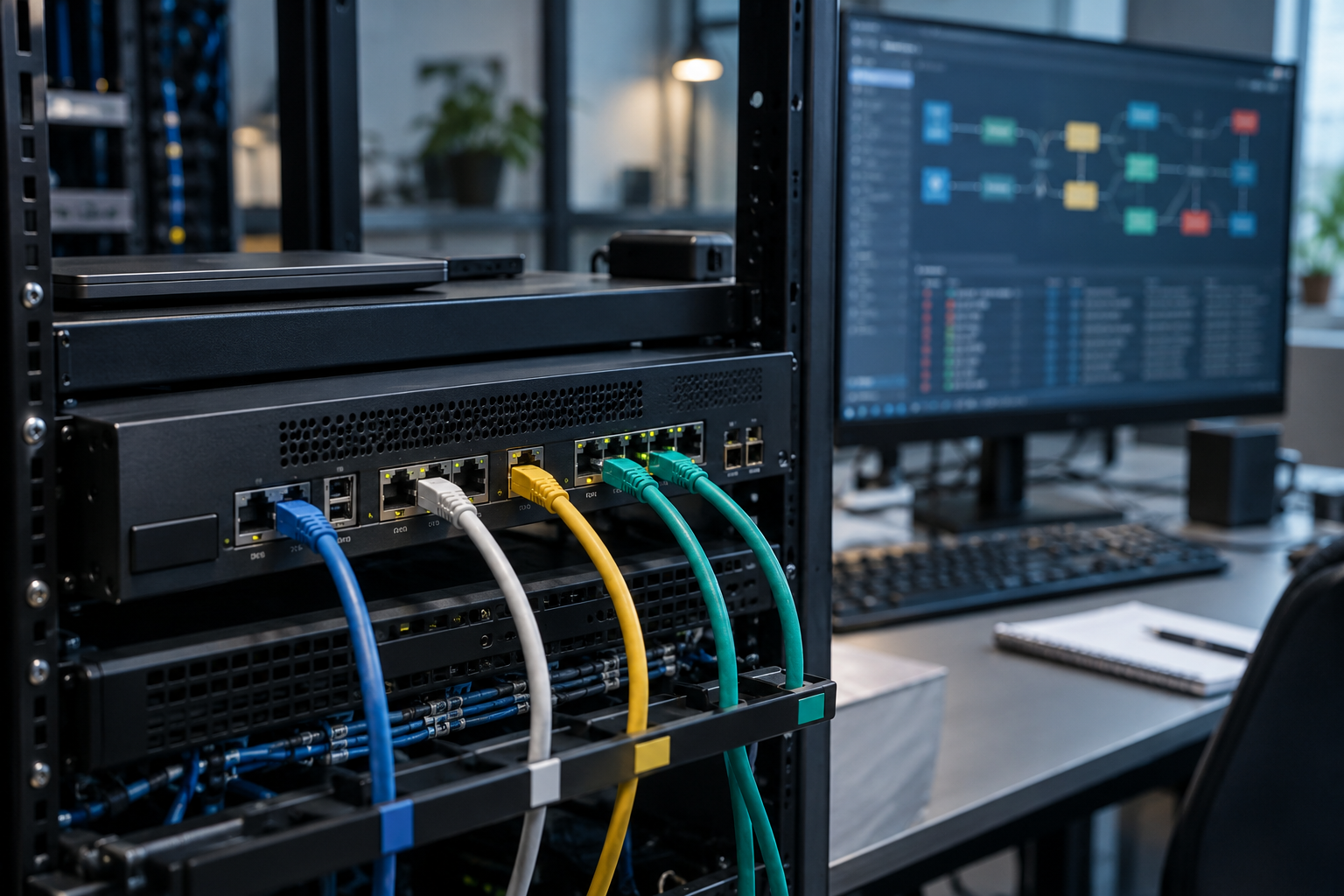
Conceptually, traffic enters an interface or security zone first, the system evaluates the policy based on connection status and matching criteria; application or identity context is added where applicable, and supported traffic is inspected by the enabled inspection configuration. Finally, it is released, rejected, or otherwise processed according to the policy, and events are generated according to the recording settings.
- Identify the ingress interface, zone, and session direction.
- Evaluate routing, NAT, connection status, and matching information.
- Associate app and user identities when available.
- Apply an enabled and licensed detection configuration.
- Perform allow, block, or other explicit actions.
- Record the results according to the log policy and enter the alarm process.
| Source area | purpose | service | expected action |
|---|---|---|---|
| employee network | Internet service approved | Web and essential apps | Release by identity, application and detection policy |
| guest network | internal server | arbitrary | Deny and log necessary events |
| Manage network | Specify server | Approved management services | Only authorized administrators and controlled sources |
This is a pedagogical logical flow and does not represent the precise packet processing sequence for all Huawei platforms. The interaction of routing, NAT, sessions, and inspections will vary by model, software architecture, and configuration.
Follow the stateful versus stateless reply-traffic walkthrough for a concrete TCP example of connection tracking and return rules.
04 · Security capabilities
Core security features and their limitations

| Ability | Purpose | requirements or restrictions |
|---|---|---|
| stateful filtering | Track connections and enforce basic access policies | Still need least privilege rules and regular reviews |
| Application identification and control | Manage by application, not just by port | Depends on visibility, characteristics, and encryption conditions |
| IPS | Detect and block matching attacks in defensive mode | Need to update features, tune and investigate alarms |
| Antivirus/Malware Check | Identify malicious content in supported traffic | Affected by protocols, decryption, file types and subscriptions |
| URL filtering | Control access by address or category | Classification is not always accurate and requires exceptions and review |
| Threat Intelligence/Sandbox | Supplementary reputation and dynamic analysis | Depends on product, cloud service, licensing and data path |
| User policy | Add identity to policy conditions | Rely on authentication integration and identity quality |
| Attack and defense | Handle specific scans, floods, or exceptions | Not a replacement for all upstream high-traffic DDoS protection |
Intrusion detection generates events, and intrusion prevention also takes blocking actions based on policies; both may result in false positives or false negatives. AI-assisted capabilities should only be understood based on official descriptions of specific models, versions, and detection engines, and cannot be translated into a commitment to ”automatically defend against all unknown attacks.”
05 · Encrypted traffic
Why TLS detection needs separate planning

TLS encryption protects the content of the connection and reduces the amount of information that network devices can directly read. Without decryption, the firewall may make a determination based on address, port, connection characteristics, certificate information, or other supported metadata, but it cannot assume that it can see the complete application content.
| Check method | visibility | Operation and maintenance considerations |
|---|---|---|
| Connection and metadata judgment | Limited connections, certificates, or traffic characteristics | No need to read full content, but detection depth is limited |
| Content inspection after decryption | Deeper visibility into supported protocols and sessions | Certificate trust, privacy, performance, exceptions and auditing |
| Supported encrypted traffic analysis | Incomplete content signals provided by product | Ability depends on model, version and algorithm, and cannot be equated with decryption |
- Managed endpoints need to properly deploy and secure trust certificates.
- Decryption may not be possible due to certificate pinning, mutual authentication, or unsupported protocols.
- Exceptions may be required for banking, medical or personal sensitive business.
- TLS versions, cipher suites, application compatibility and performance must be tested.
TLS detection changes the trust and privacy characteristics of the connection and should be approved by the organization and result in clear data handling rules. It’s not a single checkbox, nor does it mean that all encrypted traffic can or should be decrypted.
06 · Capacity Planning
How to understand performance indicators and make correct selection

| indicator | what to measure | Why can’t it be used alone? |
|---|---|---|
| Basic firewall throughput | Data rate under basic forwarding conditions | Does not represent capabilities after content detection is enabled |
| IPS throughput | Processing power when intrusion prevention is enabled | Characteristics, traffic combinations and test conditions vary |
| Antivirus throughput | Supported content scanning capabilities | Agreements, documents and decryption conditions can change the results |
| Threat protection throughput | Indicators under the combined security function | Must confirm which features are included |
| TLS detection throughput | Ability to decrypt and inspect encrypted sessions | Algorithms, certificates, objects and session reuse vary widely |
| IPsec VPN throughput | Encrypted tunnel data rate | Cipher algorithm, packet length and number of tunnels will affect |
| concurrent sessions | Number of connections that can be maintained simultaneously | Session duration and type vary |
| New connections every second | connection establishment rate | Burst traffic may be more critical than average bandwidth |
| Interface capacity | Physical link upper limit | 10GbE interfaces do not guarantee full 10Gbps detection |
Compare vendor indicators only when packet length, application combination, enabled functions, encryption algorithm, logs, software version, traffic direction and counting caliber are close enough. Sizing should also document the proportion of encrypted traffic, concurrent users and sessions, future growth, and whether a single device will bear the full load in an HA failure state.
- business peakUse peak traffic instead of average monthly traffic.
- Test combinationIdentify what is actually enabled simultaneously for IPS, AV, URL, TLS, etc.
- connection featuresRecord short connection, long connection, remote VPN and application ratio.
- fault marginVerify the capacity if a piece of equipment or a line fails.
07 · Deployment method
VPN, network segmentation and deployment options
| deployment or capability | Typical uses | Need to verify |
|---|---|---|
| internet exit | Control internal and external network access and perform boundary detection | Lines, NAT, detection capacity and logs |
| Internal network segmentation | Restrict traffic between departments, servers or production areas | The actual path must pass through the policy execution point |
| DMZ protection | Isolate external services from internal systems | Inbound, outbound, management and publishing methods |
| Site-to-site IPsec | Connect to headquarters, branches or cloud networks | Protocols, encryption, peer interoperability, routing and number of tunnels |
| Remote access VPN | Provide controlled access to authorized users | Clients, identities, multi-factor, number of users and licensing |
| Routing/transparent mode | Adapt to different network transformation methods | Target function, HA and live network path support |
| Virtual system/virtual device | Isolate tenants or software-based deployment | Virtual systems are not equivalent to individually deployed virtual firewall products |
VPN encrypted connections should not automatically obtain all intranet permissions, but must still implement the least privilege policy based on users, devices, sources, and services. Cross-vendor interoperability requires verification of standards, authentication, NAT traversal, MTU, routing, clients and licensing, and cannot just rely on ”IPsec supported” written on both sides.
08 · High availability
What needs to be verified for high availability and network integration

| redundant elements | What can be solved | Nothing is guaranteed |
|---|---|---|
| Active/standby or other support modes | Switchover when a single node fails | Putting two devices together does not equal HA. Correct |
| Configuration synchronization | Reduce strategy differences | Not a replacement for change review and backup |
| Session synchronization | Help section connection continues after switch | Not all features or sessions are necessarily lossless |
| Heartbeat and path monitoring | Determine node and key link status | Incorrect monitoring can lead to incorrect switching |
| Dual power supplies and dual PDUs | Reduce single-channel power supply failure | Does not protect against upstream, switching or configuration failures |
| Double top line/double bottom line | Provide multiple network paths | Asymmetric routing may affect stateful detection |
HA must also check supported model combinations, hardware versions, software versions, interfaces, licensing and upgrade processes. Firewalls need to cooperate with switches, routers, authentication systems, and logging platforms, but ”connectivity” across vendors does not mean that all features have consistent semantics.
09 · Ongoing operations
Licensing, management and daily operation and maintenance

| Project | Check before purchasing or renewing |
|---|---|
| Basic software rights | Factory Included Scope, Versions and Upgrade Eligibility |
| Security feature license | Are IPS, AV, URL and other functions authorized separately? |
| Signature & Threat Subscription | Update source, term, expiration behavior and renewal method |
| VPN/virtual system capacity | Users, Tunnels, Instance Caps and Extended Licensing |
| Management platform | Local or centralized management, platform versions and device licensing |
| Log | Local storage, external platforms, retention and retrieval requirements |
| Firmware and support | Download eligibility, patches, technical support and lifecycle |
| License transfer | Whether transfers are allowed between devices, accounts or contracts |
Owning the hardware does not automatically mean owning all security services and management subscriptions. The impact of subscription expiration also varies by license: certain features may stop updating or lose cloud service, and one licensed behavior may not be rolled out across the entire product line.
- Regularly save and verify configuration backups encrypted.
- Limit management sources, permissions and account sharing.
- Use appropriate multi-factor authentication when supported by the platform.
- Maintain patches, signature databases and supported versions according to announcements.
- Review long misses, duplications, or over-wide strategies.
- Ensure that alerts are received, classified, investigated and closed.
View Huawei security feature update and license check instructions
10 · Procurement and Substitution
Checklist for purchasing or replacing a Huawei firewall
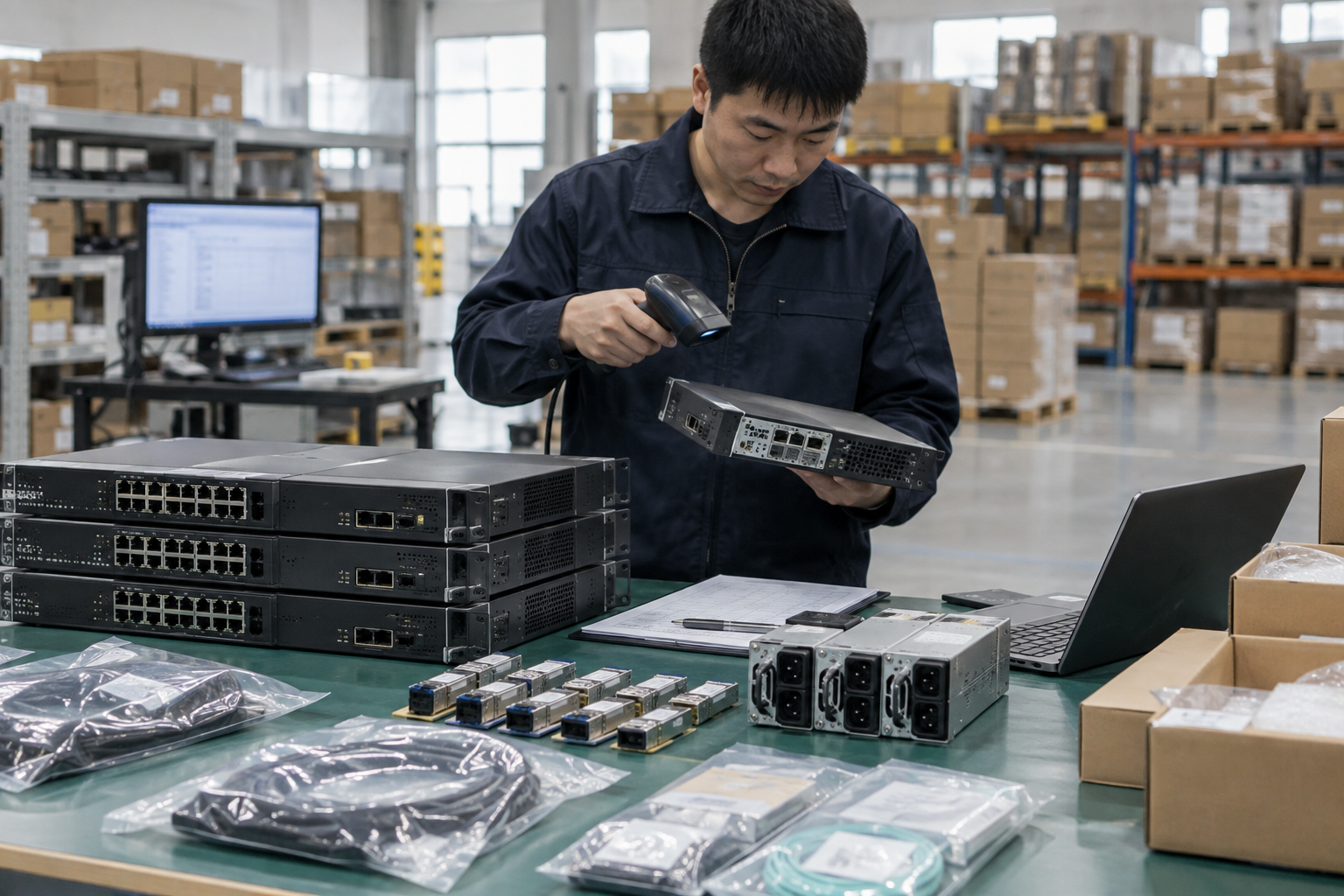
- Identify security use cases, areas, and policy objectives.
- Document expected inspected traffic, encryption ratios, session and connection requirements.
- Lock down the exact model, hardware version and target software release.
- Check the interfaces, optical modules, power supplies and air ducts.
- Confirm required security clearances, subscriptions, and expiration behaviors.
- Verify VPN, identity integration, and HA combinations.
- Check lifecycle, software downloads and support eligibility.
- Compare complete holding costs, not just hardware prices.
| Cost item | need to include |
|---|---|
| Hardware and accessories | Equipment, interface cards, power supplies, fans, rack parts and backup machines |
| Licensing and Renewal | Basic software, advanced features, signature libraries, threat intelligence and VPN |
| Management and logging | Controller, logging platform, storage and retention |
| Support and maintenance | Software acquisition, technical support, spare parts and life cycle |
| Network package | Optical modules, cables, switching ports and lines |
| Deployment service | Design, migration, testing, training and maintenance windows |
Second-hand or refurbished equipment also needs to check cosmetic condition, accessories, configuration clearing, account ownership, software source, support eligibility and license transfer conditions. Just because a seller is able to deliver the hardware does not mean that every license or subscription on the device can be legally transferred.
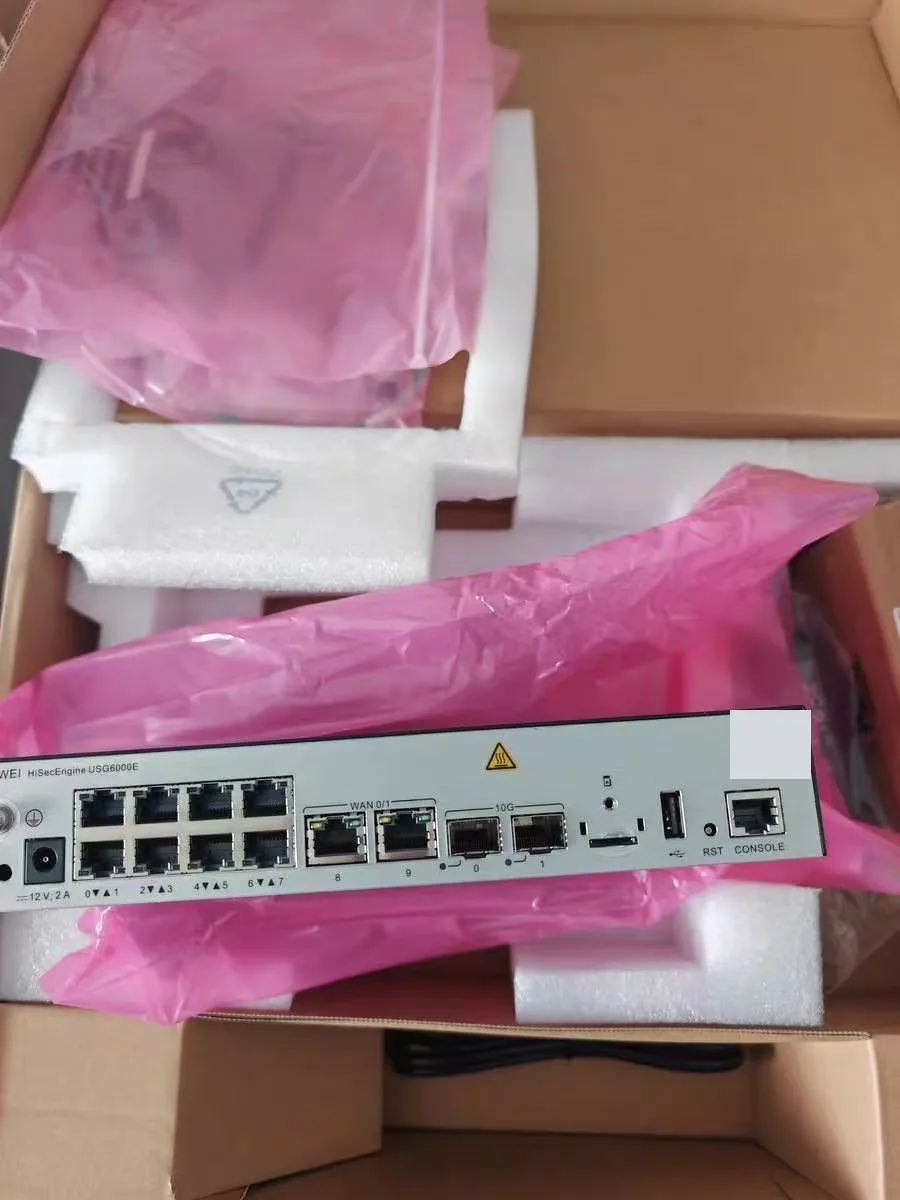
Separate the appliance, spare-part and license requirements
A replacement firewall and a replacement board are different purchasing tasks. Identify what failed, what must be retained and what the buyer will accept before comparing quotations. Use this RFQ matrix alongside the technical checks above.
| Request | Information to provide | Evidence to confirm |
|---|---|---|
| Complete USG appliance | Full model and P/N, hardware revision, interfaces, power configuration, quantity and destination | Actual configuration, new/used/refurbished condition, agreed test scope and included accessories |
| HA replacement unit | Existing peer model, hardware and software versions, required licenses and deployment role | Applicable vendor documentation and buyer-approved interoperability testing; a matching family name is insufficient |
| Board, fan or power-supply spare | Orderable P/N, label photos, host chassis, slot, revision and power or airflow requirements where applicable | Host-and-version compatibility evidence and the precise contents of the quotation |
| Security features or subscription | Required functions, software release, current entitlement and intended buyer or account | Legitimate entitlement, validity, transfer conditions and support eligibility assessed separately from hardware |
For an EOL request, distinguish unused old stock from previously deployed or refurbished equipment. Agree on configuration clearing, account release, repair disclosure, acceptance criteria and any permitted substitution. Supply, licensing and compatibility remain subject to verification; an installed feature is not proof that its rights transfer to the next owner.
Coordinate the firewall requirement with the Huawei switch catalog and Huawei router catalog where the same network project needs those devices. For historical configurations and exact-P/N sourcing, use the legacy telecom equipment sourcing service. Send the itemized requirement through the firewall RFQ form below; state unresolved fields rather than guessing.
FAQ
Huawei Firewall FAQ
Answers are based on accurate model, software version, license, subscription and configuration.
What is Huawei firewall mainly used for?
It enforces access policies between network security zones, tracks connections, and provides application identification, intrusion prevention, malware inspection, URL filtering, VPN and logging by specific model, software, license and configuration. It is not a substitute for endpoint protection, patching, backup and security operations.
What is the difference between a firewall and a router?
The core task of a router is to select and forward network paths; the core task of a firewall is to allow, deny, or inspect traffic according to security policies. Some firewalls can route, and some routers also have security functions, but their design focus, performance caliber, and operation and maintenance methods are different.
What does next-generation firewall mean?
Next-generation firewalls often add application identification, identity correlation, and content security capabilities to stateful filtering. This name does not imply that all models have the same functionality; exact device, software version, subscription, and encrypted traffic visibility must be checked.
What does Huawei’s AI firewall label stand for?
It means that a specific product or solution uses an officially described algorithm, detection engine, or collaboration mechanism. It is not a guarantee that ”all unknown attacks can be blocked”, nor can it replace rule maintenance, alarm investigation, endpoint protection and manual response.
Do all Huawei firewalls include IPS and antivirus?
This cannot be assumed. Hardware may support capabilities, but functionality may also depend on software version, base entitlement, security subscription, signature expiration date, and actual configuration. The purchase order must be written item by item.
Which throughput index should be looked at when selecting?
Look at the metrics closest to actual enabled features, such as Threat Protection, IPS, TLS Inspection, or IPsec VPN throughput, and compare session count, new connection rate, and interface capacity simultaneously. Numbers under different test conditions cannot be directly sorted horizontally.
Can Huawei firewall inspect encrypted traffic?
Some models and versions support the capabilities, but visibility depends on decryption, protocols, certificate trust, client management, and exception policies. Full content is usually not visible without decryption; enabling decryption also changes privacy, compatibility, and performance conditions.
Can Huawei firewall establish VPN with other manufacturers?
VPNs based on common standards may interoperate, but check protocols, cipher suites, authentication, identity, NAT traversal, routing, MTU and software versions on a case-by-case basis. Lab or staged verification is more reliable than just looking at ”IPsec supported”.
What happens when my security subscription expires?
There is no single answer. Different licenses may affect signature database updates, cloud queries, management services or certain advanced functions, and whether basic forwarding continues depends on the specific terms. You should review the model and licensing guide before renewing.
What should I check when buying a second-hand Huawei firewall?
Check the complete model number, part number, hardware status, power and interfaces, configuration clearing, software source, support eligibility, entitlement attribution, subscription transfer and life cycle. Do not assume that all existing licenses on the device will be transferable with the hardware.
Can KRLINKTECH help source discontinued Huawei USG equipment and spares?
KRLINKTECH accepts sourcing requests for Huawei legacy network equipment, including USG appliances and identifiable spare parts. Provide the complete model, orderable P/N, host configuration, quantity, acceptable condition and destination. Availability and suitability must be checked for the actual requirement. A sourcing request does not establish stock, manufacturer authorization or continuing software support.
What should an RFQ include when replacing one firewall in an HA pair?
Record the surviving unit model, hardware revision, current software, required licenses, interface and power configuration, plus the role of the replacement. Ask for evidence that the proposed unit fits the documented HA requirements and agree on validation before acceptance. The same USG family name or a similar front panel does not establish compatibility.
Summary
Choose a firewall for the traffic you really need to protect
- Define security policies and deployment roles first, then select products.
- Compare performance using detection features that would actually be enabled.
- Also verify licensing, subscriptions, redundancy, management, and support.
What ends up being evaluated is a complete set of configurations and ongoing operations, not an isolated piece of hardware. Only when interfaces, software, detection, logs, updates, and response processes are implemented can the firewall become a verifiable policy enforcement point.
Procurement consultation
Need help identifying Huawei firewall?
Please describe the network purpose, current model or replacement requirements, noting traffic, VPN, interfaces and necessary security features in the requirements. Please do not submit passwords, private keys, or full production configurations.
Related Reading
Related network and security guides
Continue to learn about the switching, communications equipment, and enterprise networks that carry voice services.
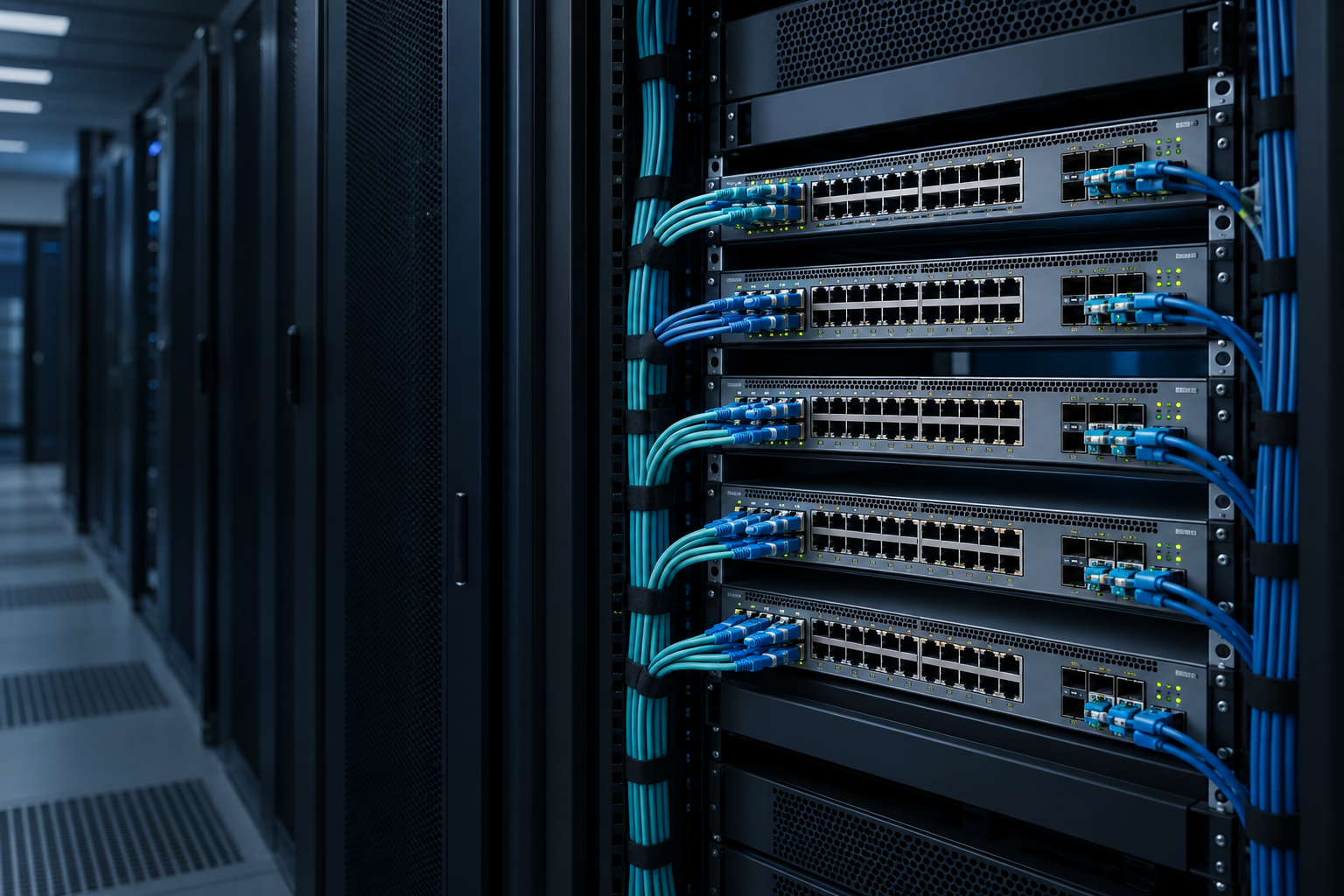
Detailed explanation of Huawei switches
Understand campus and data center switching roles, interfaces, optical modules and selection requirements.

What is telecom equipment?
Understand the major equipment in network access, transmission, routing, and enterprise communications.
How does VoIP work?
Understand voice signaling, media streaming, network quality, and security boundaries.
PBX and VoIP
Compare the deployment, reliability, and cost of on-premises phone systems and voice over IP services.